 Free Nationwide Delivery*
 Split Packs Availible
 Price Match
 Trade Accounts

Out of stock
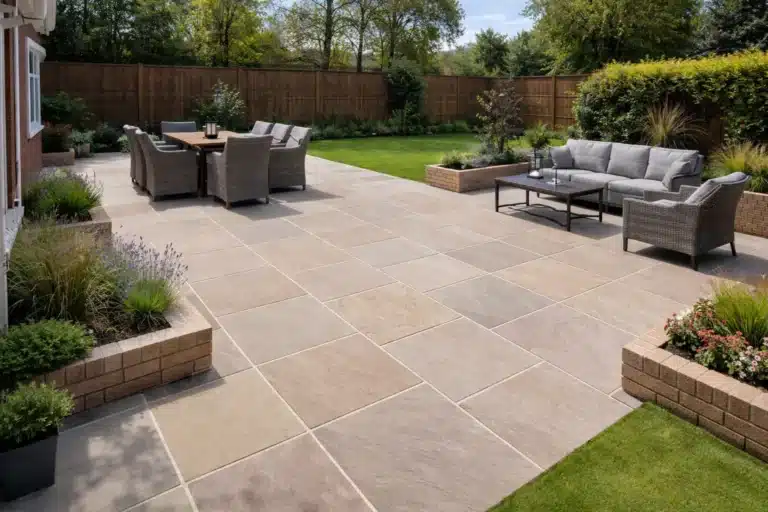
Raj Green Indian Sandstone Paving Slabs – Handcut – 22mm Calibrated – 600mm x 600mm
Currently out of stock
View product
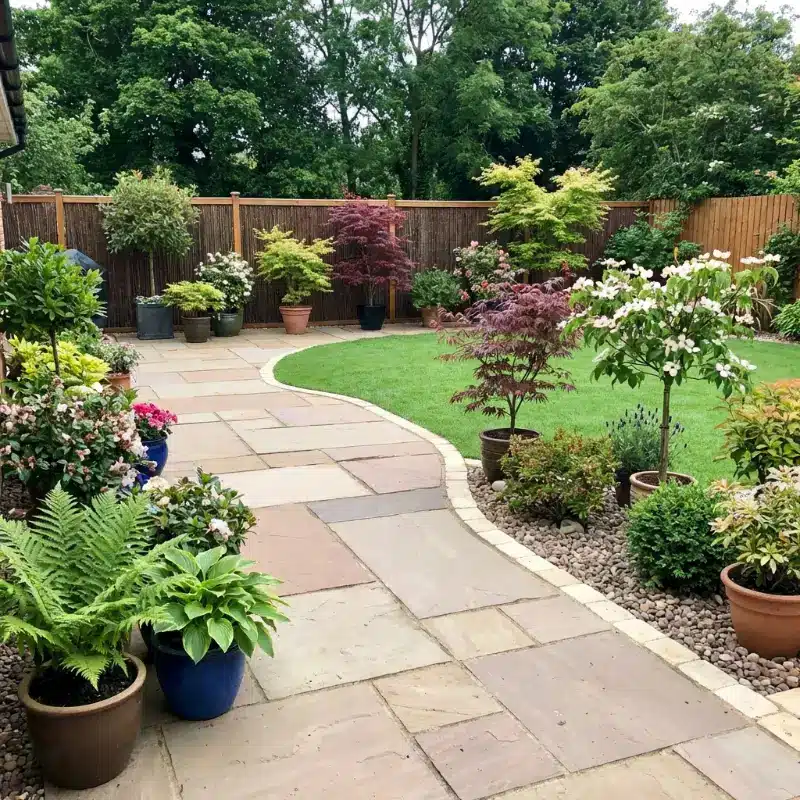
Shop riven paving slabs in natural Indian sandstone for patios and paths. Explore grey, buff and brown tones, mixed-size patio packs and single-size slabs with a characterful, naturally…
Currently out of stock
View product
Currently out of stock
View productBrowse our available paving, circles, cobbles and accessories.
Compare sizes, materials, finishes and pack coverage before choosing. Check product specifications and installation requirements.
Read our installation guide
Check the size, material, finish and intended use on each product page. Contact our team if you need help choosing.
Cleaning and maintenance depend on the material and finish. Use products suitable for your paving and test cleaners on a small area first.
Sizes vary by range. Check individual product pages for current dimensions and availability.
Yes. Samples are available for many ranges. Visit the individual product page or contact our team for help choosing a colour and finish.
Shop riven paving slabs in natural Indian sandstone for patios and paths. Explore grey, buff and brown tones, mixed-size patio packs and single-size slabs with a characterful, naturally split surface.
Riven paving has a naturally uneven face created by splitting stone along its layers. The resulting ridges, grain and colour variation give each slab its own character. Our riven range brings together Indian sandstone paving for patios, garden paths and outdoor seating areas, from rustic courtyard layouts to simple rectangular designs.
Riven describes the surface of the stone. A sawn or honed face is more even, while a riven face retains the texture of the natural split. Edges are a separate detail: handcut edges create a softer, traditional outline, whereas sawn edges give a straighter joint. A slab can therefore have sawn edges and still have a riven surface. Check both the surface and edge specification when comparing products.
For a neutral scheme, explore Kandla Grey sandstone. Raj Green sandstone offers a varied, earthy palette, while Camel Buff and Autumn Brown suit warmer garden designs. Fossil Mint, Rippon Buff, Raj Blend and Raveena provide further natural colour options in this collection. Shades and markings vary between slabs; a sample is a useful guide to the finish, rather than an exact picture of every stone in a pack.
Mixed-size patio packs suit random patterns with a traditional feel. Single-size 600 × 900 mm slabs create a more regular layout, and selected products also come in 600 × 600 mm. The range includes 18 mm and 22 mm options, depending on the product. Check the individual listing for dimensions, thickness and pack coverage before ordering. Calibration controls the underside thickness; it does not remove the natural variation on a riven face.
Measure your area and normally allow 10% extra for cuts and wastage, adjusting this with your installer for intricate layouts. Order enough for the whole project where possible and blend slabs from different packs during laying to distribute the natural colours.
A stable base, suitable full mortar bed, appropriate bonding treatment and drainage falls are essential to a lasting patio. Follow our paving installation guide and the instructions for your chosen stone and jointing materials. These paving slabs should not be assumed suitable for vehicles: ask for advice before specifying a driveway.
Sweep away leaves and dirt regularly and use a cleaner suitable for sandstone when needed. Texture alone does not guarantee a slip-free surface; algae, frost and standing water can make paving slippery. If you choose to seal the stone, check product compatibility and test an inconspicuous area first, as some sealers change its appearance.